Addressing Food Waste
Food waste, like vegetable trimmings, are sometimes inevitable. No matter the source, though, food waste has a big impact on society, our environment, and the economy. ND Dining and various campus hospitality spaces are committed to addressing this problem and employ a variety of strategies in accordance with the EPA’s food waste scale to keep food out of the landfill:
Planning ahead with Leanpath
To minimize excess waste before it’s even prepared, we utilize the Leanpath program in our dining halls to help us forecast menus more accurately. The dining halls and select dining locations on campus began utilizing Leanpath in November 2015 to calculate, measure, and prevent food waste. By weighing food, categorizing waste, and analyzing the data, staff have been able to better understand the campus food consumption habits and adjust meal preparations accordingly.
Feeding our neighbors with Cultivate
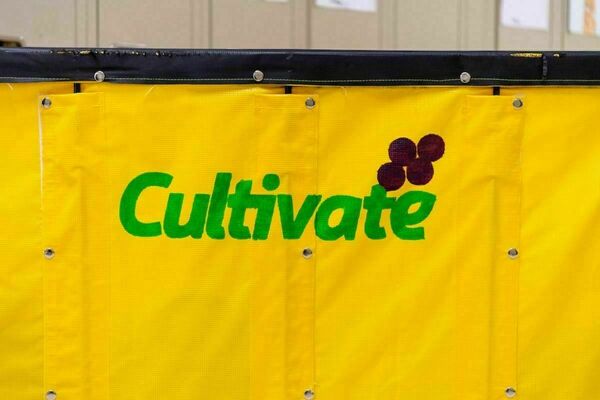
The University maintains an ongoing partnership with Cultivate Food Rescue to provide high-quality, well-balanced meals to food-insecure families throughout Saint Joseph and Elkhart counties. Food is rescued from events as well as normal dining hall operations. Cultivate rescues and reuses food through multiple programs, including a weekend backpack program to feed K-12 students facing poverty.
Supporting local farmers
Through our Feed the Animals program, fresh fruit and vegetable trimmings from campus kitchens are collected and donated to former Notre Dame Chef Jon Hans, who now uses them to feed his cattle. This familial tie not only helps us utilize every scrap of produce that comes through our doors, but also allows us to support a valued member of both the Notre Dame and Michiana communities.
Creating energy through waste
Notre Dame employs three on-campus Grind2Energy systems to break down all food waste—from kitchen preparation remnants like vegetable peels to uneaten plate scraps—into a nutrient-rich slurry. After being transported off campus, Homestead Dairy Farm further processes the slurry in an anaerobic digester to generate enough renewable energy to power 1,000 homes per hour. The remaining byproducts become nutrient-rich fertilizer and animal bedding. Second in the nation to install this kind of program, Notre Dame has been able to avoid sending nearly all food waste from all the dining halls to the landfill. An accomplishment equivalent to planting 1,157 tree seedlings and letting them grow for 10 years.